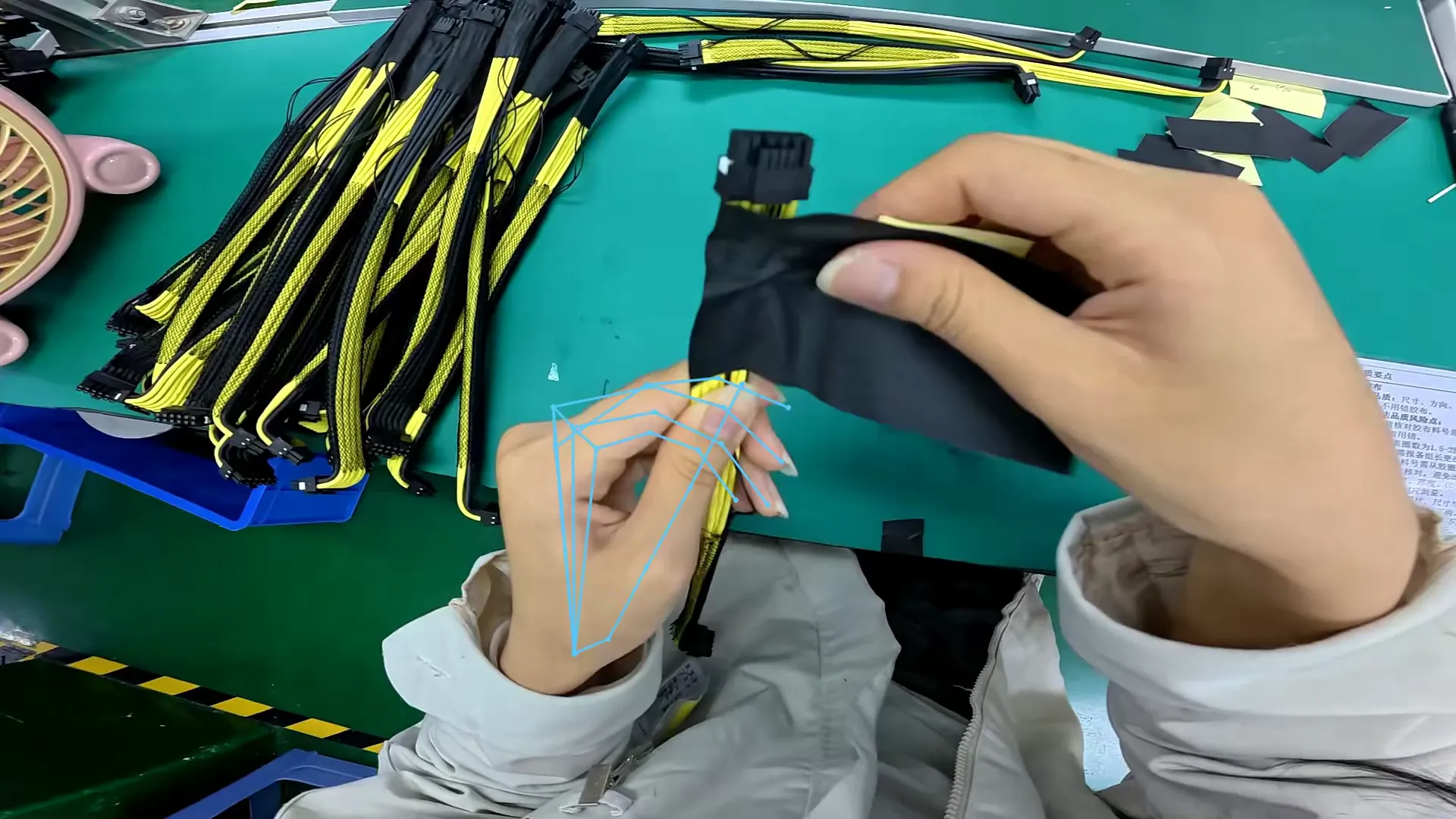
Data pipelineQuality ↓
DebuggingRobot LearningAt Scale
We make robots work by evaluating robots in real world tasks virtually and repeatably.
Robot learning has no debugger. Teams can see when a robot drops a cup, misses a handoff, or fails to recover. What they cannot quickly determine is whether the failure came from missing data, bad annotations, an eval gap, a policy change, or sim to real.
The evidence is scattered across the robot learning stack, so every failure becomes a manual investigation. Teams spend weeks guessing what to collect, relabel, retrain, or redesign.
A failure happens in the real world.
The debugging and evaluation layer for robot learning
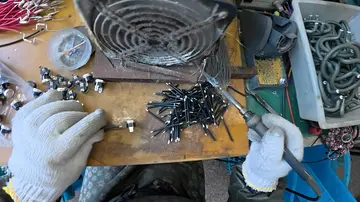
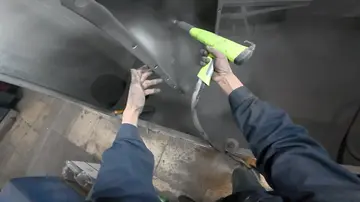
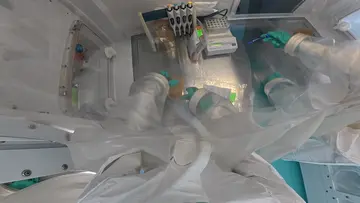
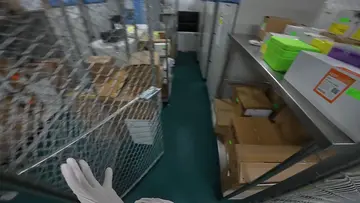
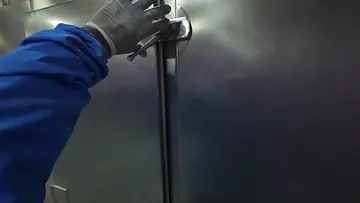




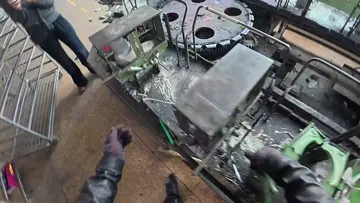
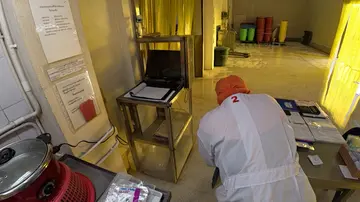
No virtual evalsSlow feedback
ProductionRepeated failures
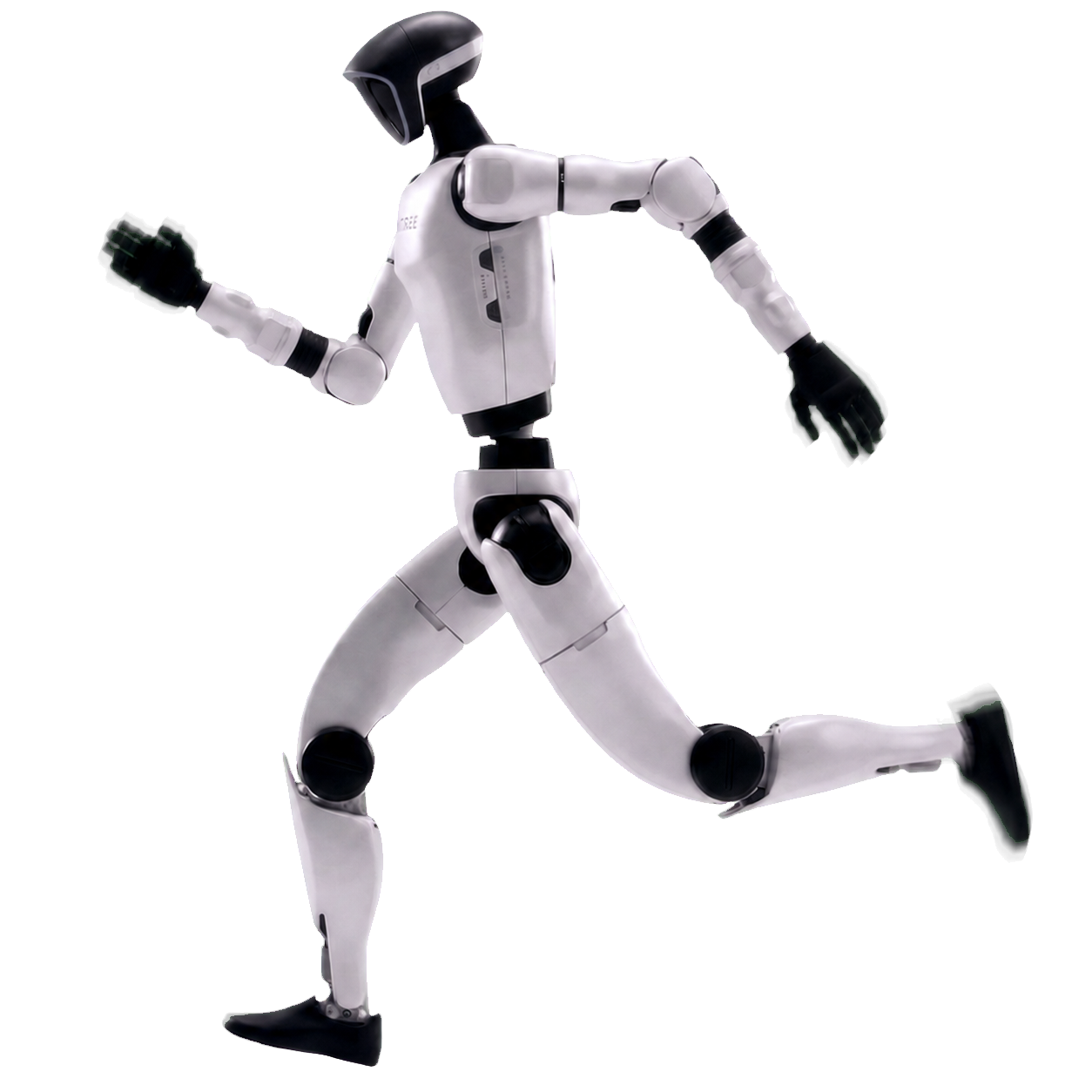 ✓
✓Data pipelineQuality ↑
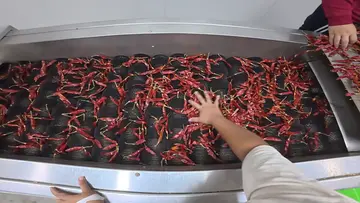
Run evalsSim / world model
ProductionFewer failures
Rollout lineage
Connect every behavior to the exact data, annotations, evals, and policy that produced it.
Failure clustering
Group recurring failures so repeated symptoms become one tractable engineering problem.
Simulation evals
Replay real failures as durable, repeatable digital tests.
Regression analysis
Compare versions and see where performance actually moved.
Cause ranking
Surface the pipeline changes most likely to explain an improvement or regression.
Deployment control
Run in the Run Robotics cloud or inside the customer’s cloud.


We are starting with robotics data quality.
Initial wedgeConnect datasets to measurable evaluation outcomes